
Ad
Downwinders film draws in crowd to Loma Theater

Published
The award-winning documentary, “First We Bombed New Mexico,” screened to a near-capacity crowd at the Loma theater. The film exposes the long-term impact of the 1945 Trinity test site on generations of families known as Downwinders and follows their ongoing struggle for official acknowledgement and justice.

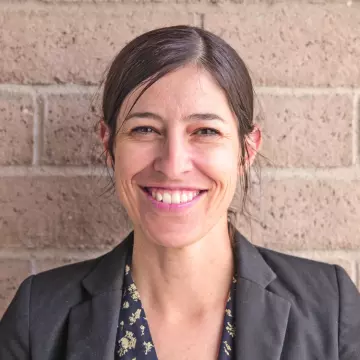
Producer and Director, Lois Lipman and Downwinder Advocate Tina Cordova addressed the audience after the screening on Wednesday night.
“From one coast to the other, we’ve been to film festivals,” Cordova said “And Lois’s film has won amazing awards at film festivals all across the country. And so we’re very proud of the film. We think the film depicts very well what people have been through.”
Cordova thanked the audience for coming to the screening and highlighted how long they’ve worked to get the film shown in Socorro, as well as the struggles they are facing to get it on a streaming service.

Cordova encouraged people to call the governor’s office to express their disappointment that, in a state so heavily invested in the film industry, no streamer has yet picked up this documentary.
She said the film is especially timely because it communicates the human consequences of nuclear development and testing—what she calls “the nuclear origin story,” and “the story Oppenheimer didn’t tell.”
“I want to thank Lois first of all, because I always say, without her time, talent and treasure, we wouldn’t have been able to ever have this film. Lois has put a lot of her life into it. She followed us for over 10 years, as you saw in the film,” Cordova said, “This lady has done so many amazing things.”

Lipman told the audience she came to New Mexico in 2013, intending to take a year off from her international journalism career at CBS, 60 Minutes, and CBC. She discovered that New Mexico was where the first nuclear bomb was detonated and that generations of local people had been dying and sick without acknowledgement, assistance, or even basic medical care. She realized there was a larger injustice than anything she had previously covered and decided she wanted to make a film about it.
“Always I was looking for stories that we didn’t know about, that would teach us something about our own lives,” Lipman said.
She said she knew to tell the story of such a massive tragedy in a way that truly reaches people, the audience would need one person to connect with. So for about two years, she traveled around New Mexico, meeting families and researching, trying to find the emotional entry point into the story.
Ad
“I heard Tina speak to a small group of people at a party, my mouth just dropped, and I said, ‘Tina is our hero.’ Tina has the power and the presence and the intelligence to carry this story,” Lipman said.
At that time, Cordova asked Lipman if she would make a film; she believed that it could amplify her voice and finally reach the wider public and Congress. Lipman felt honored and had no hesitation. That was the start of a ten‑year journey following Cordova, building a movement and making the documentary that audiences have now seen across the country.
RECA
Cordova said the Department of Justice estimates that as many as 50,000 claims could come from New Mexico, totaling about $5 billion.
“I want everybody who can qualify to submit for it and receive the money. And people are receiving their money, so don’t be discouraged.” Cordova said.
She said locals like Luisa Lopez, who is a member of the Turlarosa Basin Consortium, are available to help.

Although it’s a win for Downwinders to be included in the Radiation Exposure Compensation Act (RECA), Cordova said its coverage of only 19 radiogenic cancers, which omits others like bone, uterine, and prostate cancer, remains a problem.
She said the application process is available electronically, allowing individuals to file for themselves or certain deceased relatives. Applicants upload documents and receive instant confirmation, avoiding mail loss when done online. While acknowledging claim delays, Cordova encouraged perseverance in pursuit of the potential $100,000 compensation, since the law mandates that all claims be adjudicated.
Cordova said a major obstacle is obtaining old medical records and the New Mexico Tumor Registry’s lack of cooperation. Records are often destroyed after 10 years. Unlike other states, New Mexico’s registry doesn’t work directly with individuals. She warned that authorizing the Department of Justice to contact the registry on the RECA form can cause significant, time-consuming delays that applicants cannot afford before the December 31, 2027, sunset date. She urged attendees to lobby state legislators to pressure the Department of Health to grant public access to this taxpayer-funded data.
Cordova also warned of the RECA application scams, clarifying that their official site is TrinityDownwinders.com, not Downwinders.com, which misrepresents them and improperly charges high fees. According to Cordova, by law, fees for successful claims are capped at 2%, increasing only after a successful re-filing (up to 10%). She said third-party services can’t guarantee success or expedite claims.


