
Ad
Dozens of Socorro Downwinders have applied for compensation

Published
The Tularosa Basin Downwinders Consortium (TBDC) estimates a potential of hundreds of millions of dollars in compensation to New Mexico residents through the Radiation Exposure Compensation Act (RECA) program.
The world's first atomic bomb was detonated on July 16, 1945, at the Trinity Site in Socorro County, resulting in widespread radioactive fallout across surrounding communities. For decades, residents received neither acknowledgment nor compensation for this exposure. This changed on July 4, 2025, when RECA was expanded to include New Mexico Downwinders.
“The US Department of Justice (DOJ) continues to accept and process claims and has approved many claims so far. I am so glad to report that many people have already received their $100,000.00. What great news. I keep reminding people that this program has the potential to bring back hundreds of millions of dollars in compensation to the people of New Mexico who so deserve it.” The TBDC website states.
Downwinders of Socorro County
Dozens of Socorro residents are anticipating compensation, potentially bringing millions of dollars into the county.
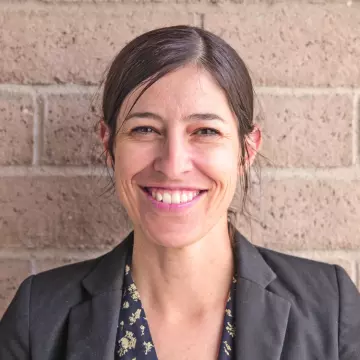
Long-time TBDC member and local advocate Luisa Lopez maintains a dedicated calendar to organize her efforts assisting Socorro residents with the RECA claim forms. She has helped 20 individuals apply for compensation, meeting applicants at various local locations.
According to Lopez, if applicants have their documents prepared, completing the 27-page claim form typically takes about an hour. The form is available both online and in print. She said although she makes herself available to help, many individuals have successfully completed the application independently.
“I think some only call me when they're stuck, which is okay, like I said, the application is not hard,” Lopez said.
Scams were identified by the TBDC as soon as the RECA was expanded last year and Lopez said people need to be careful about sharing their personal records with organizations who are soliciting people to use their services to file claims and understand that they charge a fee.
Common documents needed include birth, marriage, divorce, and death certificates, as well as proof of tribal affiliation for Native Americans and medical records.
Ad
Lopez said proving residency in New Mexico as one of the primary challenges for applicants.
“ Individuals born in 1959 still qualify for compensation if they developed cancer, but must provide evidence of residing in New Mexico for at least one year. That's very hard for a three year old to do,” Lopez said.
She said that for some, they may have immunization records, census entries and church records such as first communion and baptismal records are also being accepted. When traditional records can’t be found, she said they are also accepting notarized affidavits from older siblings as a workaround, with attached birth certificates to show family relationships.
Paper claims versus online
Lopez said the paper claims are ideal for people who don’t have computers or internet access, or who aren't tech-savvy. The only advantage is that when people apply online, they receive a claim number right away, said Lopez. Another consideration, she said, is to make sure the paperwork is sent via certified mail with a return receipt so the claimant can prove when the government received the packet and start counting time from that date.
The online application can be found at the Department of Justice website. The 19 cancers that are covered by the expansion are included in the last pages of the application. Applications can be submitted for yourself, a spouse, a parent, a grandparent, a child, or a grandchild, said Lopez. Family members are eligible to apply on behalf of a deceased loved one before the December 27, 2027, deadline.
Upcoming Documentary Screening in Socorro
An extended version will be screened free of charge on March 11 at the Loma Theater in Socorro of the documentary “First We Bombed New Mexico”. The film chronicles cancer survivor Tina Cordova and the Tularosa Basin Downwinders Consortium’s efforts to secure federal recognition and compensation following the Trinity test.
The film received the Best Documentary award at the 2024 Las Cruces International Film Festival and has garnered standing ovations at screenings across the United States.
Although the screening is free and open to the public, tickets must be reserved by contacting Steve Duffy at 505-690-6915 or steveduffy1111@gmail.com.


