
Ad
Fire break project collaborates for prevention

Published
A county project that started with the goal of creating fire breaks along the river to improve fire safety has since grown into a greater, multi-faceted effort.
“When I came into office, my main goal was to do something right away,” Socorro County Emergency Manager Fred Berger said.
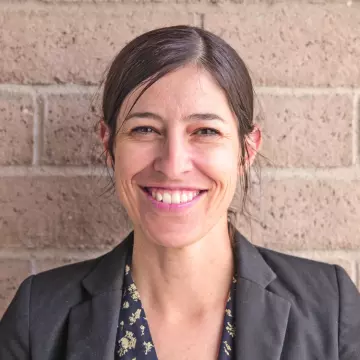
He said he initially viewed the project through the lens of a firefighter, but bringing in Socorro County Program Manager Marina Hein into the fold gave the project another perspective.
“Now we bring Marina into the office, who has a real background in biology, so what turned into just plain fire breaks has now expanded quite a bit into a much larger project,” Berger said.
Over the eight months of working on it, he said the project has grown into a joint effort between the Middle Rio Grande Conservancy District, Socorro Soil and Water, Socorro Electric Co-op, Rocky Mountain Youth Corps, the Socorro County RISE Program and private landowners.
“Looking at all the different agencies that we've talked to, we’ve gotten 100% support. I don't think we got any pushback from anybody; everybody's really willing to get on this project.” Berger said.
Hein said Jerry Wheeler originally wrote and applied for the $90,000 grant from New Mexico Counties for the Fire Break Project, which she inherited when he left.
The project objectives will combine fire safety—such as creating safe zones for firefighters and preventing fire spread—with environmental restoration, particularly the reintroduction of native plant species and the removal of invasive salt cedar, which degrades soil and increases fire risk.
“I want this to be a program where we go through the river area and try to take out the salt cedar as much as we can, because that's the major problem we have,” Berger said.
Berger said salt cedar acts as ladder fuel, allowing the fire to travel from the grass to the cottonwoods.
Ad
Hein, who studied salt cedar in her master’s work at New Mexico Tech, said salt cedar also causes the soil chemistry to change, making it hard for native species to grow.
“It's really well adapted. The first hurdle is to get it out. And so the conclusion is that you need to take out the roots,” Hein said.
She said that after the salt cedar is removed, they plan to spread wood chips to retain soil moisture and reseed with native bunch grasses, which not only support safe fire breaks but also help prevent erosion and support ecological restoration.
Hein said the grant money will have to be expended before the end of the fiscal year, and about one-third of the grant has been spent so far, using labor from programs such as the Rocky Mountain Youth Corps and Socorro County’s RISE inmate rehabilitation program to manage the large cottonwoods.
"With the RISE people, they didn't have a lot of experience cutting down larger trees, and that's where Rocky Mountain Youth Corps came in with that experience," Hein said.
She said they decided to have Rocky Mountain Youth Corps tackle the large cottonwoods on the 3.5-acre break identified near the Otero Fire burn scar, since they were experienced in large tree felling, which they completed last week, and then partner with the RISE program to help process and take down smaller trees.
Hein and Berger said some of the grant money has been used to purchase safety equipment, chainsaws, and other necessary tools for the RISE participants to utilize on the project.
“And so the RISE program participants have gone through chainsaw training, major bleed, and tourniquet training. So the hope is to get them out there soon.” Hein said.
Berger said the state forestry division has been hosting training sessions that give RISE participants hands-on experience, and the county will also hold a class for them on using the chipper.
With the large trees down on the first designated fire break, they plan to finish three more by April 15 (before bird nesting season) and hold a demonstration of masticators, to be announced in January.
Long term, Hein and Berger see the project as the beginning of a sustainable fire-prevention initiative.


